

Our Blog
View our latest news & information along with helpful articles to assist you with your health
Menopause Night Recording
What to expect when you’re not expecting
Listen to Dr Ishani, Dr Reyhan, Dr Sharee and Dr Shikha talk about all things menopause in this recording of our live menopause night held on 18/05/23
Over the counter IBS remedies
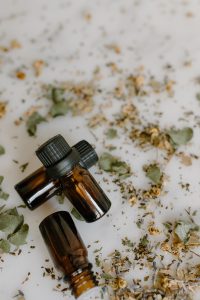
Over the counter medicines that might help IBS
There are a number of things you can buy over the counter which can be of benefit for IBS symptoms. I would always recommend running these options past your GP before using them to make sure they are suitable for you.
– Peppermint oil🌱 has evidence to show it can improve bloating/pain in IBS. It can cause reflux as a side effect in some people.
– Iberogast- A herbal preparation with some evidence that it helps with IBS symptoms like bloating
– Various laxatives can help, especially if you get a lot of constipation with your IBS. Your regime should be discussed with your GP as some laxatives (especially stimulant ones like Senna) can cause dependency
– Fibre supplements. Solube fibre like psyllium (eg in Metamucil) may be better than a fermentable fibre (eg bran)
– Probiotics can help improve abdominal pain
– Antispasmodic medications like Buscopan can help with pain related to cramping
Although these things are available without a prescription, I would always advise that they are discussed with your GP first. Your ideal arsenal of tools will depend on your symptoms, which your GP can help guide you through.
#IBS #guthealth #FODMAPS #diet #peppermintoil #iberogast#metamucil #probiotics #buscopan #health #nutrition#doctorsofinstagram #evidencebasedmedicine#lifestylemedicine #generalpractice
#IBS #guthealth #prebiotics #FODMAPS #diet #health#nutrition #evidencebasedmedicine#lifestylemedicine
IBS and diet
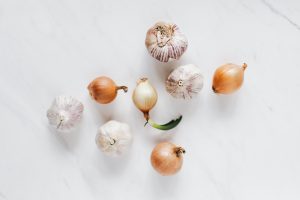
How diet can help manage your IBS
Many people these days have heard of the low FODMAPS diet and with good reason- 80% of people with IBS get less symptoms when they try it! FODMAPS are a group of slowly digested sugars which the bacteria in your gut feed off. They are found in many generally very health foods including onion, garlic, apples etc (it’s a long list!). For most people these sugars are good because they help feed the good bacteria in your gut and create better gut health. However, for some people, the normal processing of these sugars can cause symptoms because of gut sensitivity. By eliminating the culprit sugars from their diet, most people with IBS will feel a lot better. However, a strict elimination of FODMAPs is quite restrictive and can cause negative effects on your overall gut health if continued for a prolonged period. Strict low FODMAPS diets can also be low in calcium and fibre so they are best done under the guidance of an experienced dietician. Remember, a dietician can be included as part of a GP management plan for IBS to get medicare subsidies for consultations. We generally recommend a strict low FODMAPs for not more than 2-6 weeks, after which FODMAPs foods are gradually reintroduced. By doing this, you can figure out how much FODMAPs each person can tolerate. The goal is to get to as minimally restricted a diet as possible, while avoiding specific trigger foods. If your symptoms do not improve at all after 6 weeks of a strict FODMAPs elimination (which they won’t for 20% of people!) then you should talk to your GP about alternative treatments.
#IBS #guthealth #prebiotics #FODMAPS #diet #health#nutrition #evidencebasedmedicine#lifestylemedicine